From cyclospora to screwworm to high-profile recalls of jalapeños, blueberries and eggs, the food system has faced intense scrutiny this summer. Food and agriculture brands are getting another reminder that crises rarely arrive one at a time, and let’s face it – issues in the food system affect all of us.
Even the most casual media consumer is inundated with news of cyclospora, New World screwworm and multiple food recalls that continue to unfold.
The specifics are different. But from a communications standpoint, they raise the same question: Has your organization already thought through what it would do if this happened to you? In today’s always-on media world where misinformation spreads more quickly than the truth, realistically preparing for crises has never been more important.
Scenario planning is key
Most food and agriculture organizations have a crisis communications plan somewhere. But having a plan and being ready to use it are two different things.
In an industry with multiple stakeholders and complex supply chains, outlining every possible adverse event can seem daunting, which is when scenario planning becomes invaluable. Rather than trying to script every possible response, scenario planning identifies the situations most likely to create significant business and reputational risk and works through the communications decisions each would require:
Who needs to be in the room? Should we respond at all? Who speaks? Which audiences need to hear from you first? What can you say immediately? What requires legal or regulatory review?
Those aren’t questions you want to answer for the first time when a reporter is already calling.
Start with where you’re most exposed
Good scenario planning starts with business operations, not a communications plan.
For example, a livestock producer faces different threats than a fresh produce grower. The specific circumstances and needs of your business affect which scenarios deserve the most attention. The goal of a scenario planning exercise is to identify the handful of scenarios that are both plausible and consequential, then pressure-test your readiness to uncover and resolve readiness gaps before they hop off the tabletop and into real life.
Make the decisions you can make now
One of the biggest advantages of scenario planning is simple: it takes decisions off the table during a crisis.
Start with roles. Don’t assume the same executive should speak for every situation – oftentimes, the most credible spokesperson isn’t an executive at all. Then look at approvals. When an issue becomes public, teams shouldn’t still be debating who can approve a statement, whether legal needs to review every response or who owns communication with customers, employees, producers and media.
Finally, prepare the materials that can be prepared in advance. Communications trees, holding statements, Q&A frameworks, stakeholder hierarchies, media protocols and spokesperson guidance can all be developed around specific scenarios without knowing the exact facts of a future event.
Readiness is a business capability
The food and agriculture industry already understands preparedness. Biosecurity protocols, food safety systems and contingency plans exist because waiting until something goes wrong is too late to begin deciding what to do. Communications should operate the same way.
The complex nature of the food supply chain makes that increasingly important. Issues move quickly, stakeholder expectations are high and an operational problem can become a reputation problem in a matter of hours.
Scenario planning and crisis prep won’t predict the next crisis, but when facts are incomplete, scrutiny is high and time is short, a clear decision-making framework puts your organization on much stronger footing to recover more quickly with less damage to brand reputation.
The next headline is coming eventually. The most prepared organizations will have already worked through what comes next, helping protect their most valuable asset: their reputation.
The best time to pressure-test your crisis plan is before a crisis hits. If it’s been more than a year since your team worked through a tabletop scenario, drop us a line. For more than 30 years, we’ve helped food and agriculture brands strengthen crisis readiness by identifying gaps before they become liabilities. We’d welcome the opportunity to do the same for your organization.
C.O.nxt Insight.
Our team of subject matter experts focuses on food and agriculture—farm field to processing to entrée on a plate. We can help you build a new brand, protect an old one or target customers to foster sales. Let’s talk when the time is right to handle your next strategic marketing and communications challenge: Marcy Tessmann, marcy@co-nxt.com.
SHARE THIS STORY
OpenAI Is Building an Ad Platform — Here’s What It Could Mean for Your Brand
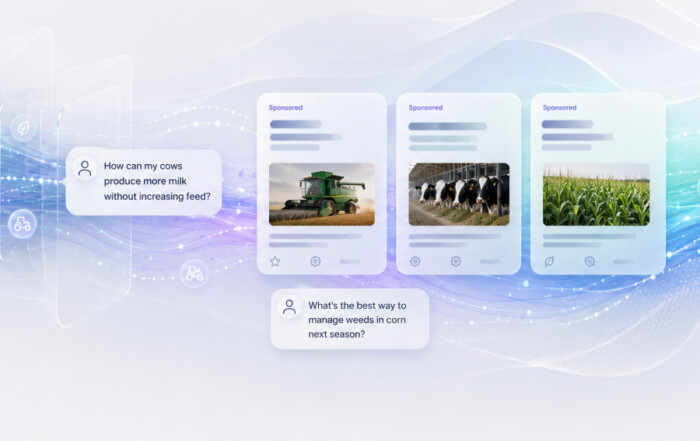
OpenAI is developing its own advertising platform — and it works fundamentally differently from traditional search ads. Rather than matching keywords, it reads the context of entire AI conversations to surface brand recommendations at the exact moment a user is trying to solve a problem. The platform is still early-stage, but OpenAI has already lowered its advertiser buy-in from roughly $250K to $50K, signaling broader access is coming. For brands, this represents a meaningful shift in how customers discover products and services online. The question isn't whether you'll need a strategy for co


