
Here’s a brief we’ve seen a version of more than once:
Feature the product within the first few seconds. Avoid clothing with identifying brand marks. Include captions. Mention our tagline somewhere in the video. Tag our handle. Select two of these five key takeaways to highlight. Shoot in warm, natural light if you can. Oh, and make it “your own.”
On its own, every one of those asks is fair. None of it is a big lift for the creator. But stack that and more into a single brief and hand it to someone you hired because their audience trusts their voice, and the result tends to come out jumbled. Not wrong, exactly. Just crowded, the way a dish falls apart without a hero ingredient. The best plates build around one thing and let everything else support it. Give six ingredients equal billing and the dish doesn’t get richer. It becomes too much.
I know it sounds counterintuitive, but it checks out. More guidance feels like more control, and more control feels safer. In practice, the opposite tends to be true. Every instruction added to a brief is one more thing competing for the same 45 seconds of video, and the creator ends up managing a checklist instead of making something. By the fifth or sixth ask, nothing in the final video reads clearly, because nothing was allowed to lead.
The whole reason to work with a food creator rather than run another paid ad is that their audience already trusts them. That trust took years to build, and it doesn’t transfer with a contract. It lives in how they talk, what they notice, the way they cook. Load the brief with enough asks and you’re not protecting that trust. You’re asking the creator to represent two things at once, their own voice and the brand’s, and something has to give.
Take a creator making a recipe video with your product, filming themselves as they cook. Somewhere in the middle, they call an ingredient by the wrong name, or adjust the original recipe. A brief with no room for that could turn into a full reshoot. A brief built around one clear goal, showing people this product is easy to cook with, turns it into a fifteen-second patch: re-record the line in a VO, drop it in, done. The dish is still real. The creator still sounds like themselves.
That’s the difference between guiding and dictating. Guiding means telling a creator what the video needs to accomplish and trusting them to get there their own way. Dictating means handing them a script with no room to adjust, and hoping the result still feels natural. Spoiler! It usually doesn’t.
If your brief has to work, give it one job to do well instead of five or six done at once. Name the single thing that matters most (celebrate this cut of meat for football season) and let the creator build around it. Every ask past that first one competes with it for attention, and too many cooks rarely make a better meal.
None of this means handing over your brand with no input. It means putting the input where it belongs: in the brief, before the camera rolls, where you set the one thing that matters and let the creator handle the rest. A creator who understands what you need will protect your brand better than a script ever could, because they’ll catch things you never thought to write a rule for.
The best outcome of any influencer partnership is a creator who understands your brand well enough that the long brief stops being necessary at all. When you find someone like that, the smartest move is the simplest one: work with them again. Repeat partnerships build a shorthand no brief can replicate, and audiences notice when a creator keeps coming back to a brand on their own.
Food is made to be handled, tasted, adjusted as you go. Give the people telling your story that same room to work. Fewer ingredients, better dish. Let them cook.
C.O.nxt Insight.
Our team of subject matter experts focuses on food and agriculture—farm field to processing to entrée on a plate. We can help you build a new brand, protect an old one or target customers to foster sales. Let’s talk when the time is right to handle your next strategic marketing and communications challenge: Marcy Tessmann, marcy@co-nxt.com.
SHARE THIS STORY
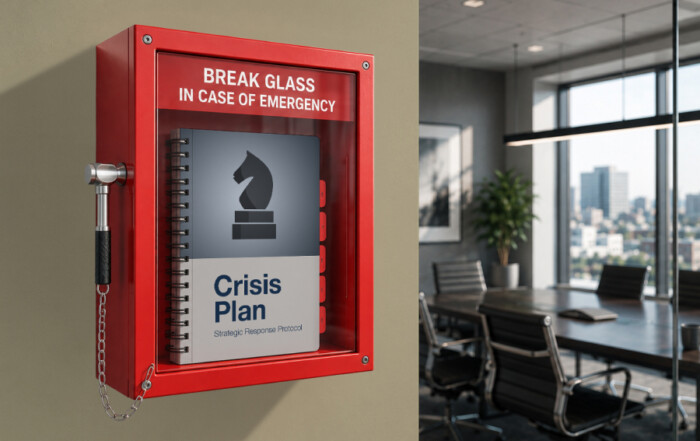
Don’t Wait for the Headline: Why Ag & Food Brands Need Crisis Readiness Now
Food and agriculture brands are getting a stark reminder this summer: crises rarely arrive one at a time. From cyclospora and New World screwworm to high-profile recalls of jalapeños, blueberries, and eggs, the pressure on food system communicators is relentless. Most organizations have a crisis communications plan — but having a plan and being ready to use it are two very different things. Scenario planning helps ag and food brands identify their highest-risk situations, make key decisions in advance, and close readiness gaps before a real crisis forces their hand. When a reporter is already


